Luxury car ownership demands precision, reliability, and a deep understanding of maintenance schedules that preserve both performance and resale value. One of the most critical components that luxury vehicle owners often overlook is the shock absorber. Understanding when your shock absorber requires replacement can mean the difference between a smooth, controlled ride and a compromised suspension system that affects handling, safety, and comfort. The shock absorber plays a vital role in managing suspension dynamics, absorbing energy from road imperfections, and maintaining tire contact with the road surface. As luxury vehicles demand higher standards of ride quality and handling precision, knowing the right time to replace your shock absorber becomes essential to maintaining the engineering excellence these vehicles promise.
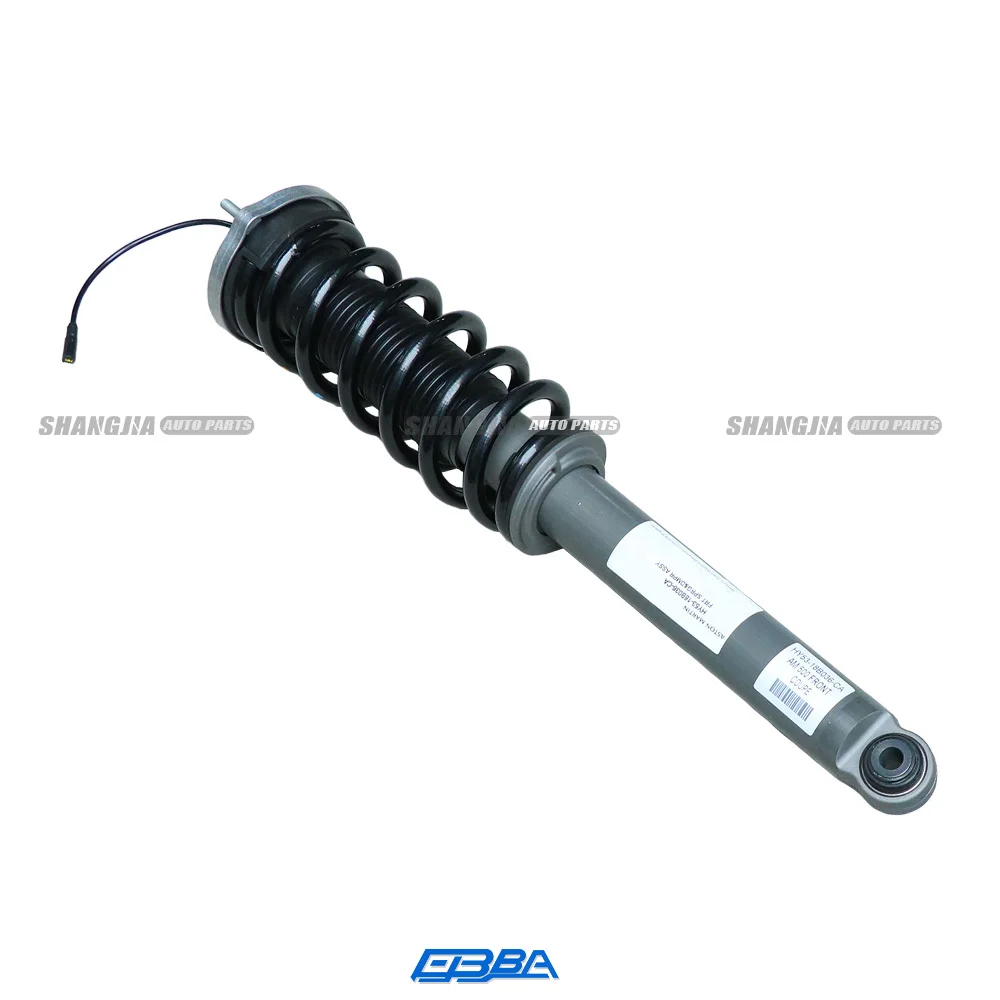
Replacing a shock absorber at the wrong time wastes resources; replacing it too late invites suspension damage, safety hazards, and expensive repairs. Luxury car manufacturers engineer their suspension systems with specific performance parameters in mind, and a worn shock absorber disrupts this carefully calibrated balance. This comprehensive guide explores the timeline for shock absorber replacement, the warning signs that indicate replacement is needed, and the factors unique to luxury vehicles that influence replacement decisions. By understanding these elements, luxury car owners can make informed maintenance decisions that protect their investment and ensure consistent driving excellence.
The lifespan of a shock absorber varies based on driving conditions, vehicle weight, road quality, and suspension design. Most luxury vehicles require shock absorber replacement between 50,000 and 100,000 miles, though premium suspension systems may extend this interval to 150,000 miles under ideal conditions. Aggressive driving, frequent braking, heavy loads, and poorly maintained roads accelerate shock absorber degradation. A shock absorber filled with pressurized hydraulic fluid gradually loses its effectiveness as internal seals wear and fluid leaks past protective barriers. Luxury manufacturers typically specify shock absorber replacement intervals in their maintenance schedules, and adhering to these recommendations ensures optimal suspension performance. Regular inspections during routine service appointments help identify declining shock absorber performance before it becomes a safety concern.
Luxury automotive brands invest heavily in suspension engineering, and their shock absorber specifications reflect this commitment to precision handling and ride comfort. Most luxury manufacturers recommend inspecting the shock absorber system every 12 months or 15,000 miles, with replacement consideration beginning around 50,000 miles of use. Some premium brands with advanced suspension technologies, such as air suspension systems, may integrate shock absorber function with electronic components that extend diagnostic capabilities. These intelligent systems monitor shock absorber performance in real-time and alert drivers when replacement becomes necessary. Following the manufacturer's specified intervals for shock absorber replacement maintains warranty coverage, preserves suspension geometry, and ensures that the vehicle performs as engineered. Deviating from these intervals risks suspension misalignment and accelerated wear on related components.
Several observable signs reveal that a shock absorber requires immediate attention and likely replacement. Excessive bouncing after going over bumps indicates that the shock absorber can no longer dampen oscillation effectively, a classic sign that internal seals have failed and the shock absorber no longer functions properly. If your vehicle dips excessively during braking or leans sharply during cornering, the shock absorber system is compromised and replacement becomes necessary to restore handling stability. Uneven tire wear patterns, particularly accelerated wear on one corner of the vehicle, often signal shock absorber failure, since a failing shock absorber allows uncontrolled tire movement and uneven pressure distribution. Visible oil leaks around the shock absorber body indicate that the shock absorber seal has ruptured and fluid is escaping, rendering the shock absorber ineffective and requiring urgent replacement. In luxury vehicles, these symptoms become especially noticeable because their finely tuned suspensions rely on precise shock absorber function to deliver the smooth, controlled ride owners expect.
The sounds and sensations your luxury car transmits while driving often reveal shock absorber condition long before mechanical failure occurs. Clunking or rattling noises from the suspension area during low-speed driving suggest that the shock absorber mounting points have loosened or that internal components have deteriorated, indicating replacement is overdue. A harsh, bumpy ride quality that deviates from your vehicle's normal characteristics often points to shock absorber degradation, since worn shock absorbers fail to smooth out road imperfections effectively. Feeling every pothole, ripple, and road defect intensely means your shock absorber is no longer performing its energy-absorption function properly. Many luxury car owners notice that their vehicle feels less 'planted' on curves, a sensation that often stems from insufficient shock absorber damping force. If you experience any combination of these auditory or handling changes, have the shock absorber system inspected immediately, as continued operation with a failing shock absorber accelerates damage to other suspension components and increases safety risks.
Your driving environment significantly impacts how quickly your shock absorber deteriorates and when replacement becomes necessary. Drivers in regions with severe winters, road salt, and freeze-thaw cycles experience accelerated shock absorber corrosion and seal breakdown, often requiring replacement 20,000 to 30,000 miles sooner than manufacturers' standard intervals suggest. Urban driving with constant braking, stop-and-go traffic, and pothole encounters stresses the shock absorber much more severely than highway driving, shortening the optimal replacement interval considerably. Luxury car owners who frequently drive on poorly maintained roads, unpaved surfaces, or through construction zones should budget for earlier shock absorber replacement than those who primarily drive on well-maintained highways. Climate extremes, whether intense heat or deep cold, degrade the hydraulic fluid inside the shock absorber faster, reducing its effectiveness and necessitating earlier replacement. Dusty, sandy environments allow particles to infiltrate shock absorber seals, accelerating internal wear and requiring more frequent shock absorber replacement decisions.
Luxury vehicles employ diverse suspension architectures, and understanding your specific vehicle's design influences shock absorber replacement decisions. Adaptive suspension systems with electronic damping continuously adjust shock absorber stiffness based on driving conditions, and these advanced systems may require replacement of specialized, electronically integrated shock absorber units rather than conventional hydraulic components. Air suspension systems common in ultra-luxury vehicles combine shock absorber and spring functions in a single component, meaning replacement decisions must account for this integrated design. Some performance-oriented luxury brands use twin-tube or monotube shock absorber designs that have different durability characteristics, influencing replacement intervals and replacement costs. Vehicles equipped with continuously variable suspension may show shock absorber wear differently than conventional designs, requiring more sophisticated diagnostic approaches to determine when replacement is needed. Understanding your vehicle's specific suspension type helps you anticipate when shock absorber replacement becomes necessary and ensures you select the correct replacement components for optimal performance restoration.
Luxury vehicle shock absorber replacement typically ranges from $500 to $2,000 per unit, depending on whether you have a conventional shock absorber system or an advanced adaptive suspension requiring specialized electronic shock absorber components. Parts costs alone for premium shock absorbers range from $200 to $1,000 per unit, while labor charges add $300 to $1,000 depending on suspension complexity and your location. Four-wheel shock absorber replacement, which is often recommended to maintain balanced suspension performance, can cost $2,000 to $8,000 total. Choosing OEM shock absorber components typically costs more than aftermarket alternatives but ensures exact engineering specifications and warranty protection. Many luxury dealerships offer financing options for major suspension work, and some extended warranty plans cover shock absorber replacement costs if timing aligns with coverage periods.
While a failing shock absorber won't immediately prevent the vehicle from moving, continuing to drive with a compromised shock absorber creates serious safety hazards and accelerates damage to related suspension components. A deteriorating shock absorber reduces your ability to control the vehicle during emergency braking, increases stopping distance, and compromises handling stability during evasive maneuvers, all of which increase accident risk. Continuing to operate with a failing shock absorber allows excessive tire movement that causes uneven tire wear, potentially leading to tire failure on the highway. Suspension geometry becomes misaligned when a shock absorber fails, which accelerates wear on struts, springs, bushings, and steering components, transforming a relatively inexpensive shock absorber replacement into a much costlier suspension overhaul. For luxury vehicles engineered to deliver precise handling and safety, driving with a failing shock absorber fundamentally betrays the design intent and puts occupants at risk, making prompt replacement a priority rather than a deferred maintenance item.
Industry best practices recommend replacing shock absorbers in axle sets, meaning both front shock absorbers or both rear shock absorbers together, rather than replacing just one unit even if only one appears to have failed. Replacing a single shock absorber while leaving its partner in its original condition creates suspension imbalance, since the new shock absorber has different damping characteristics than the worn unit, compromising the carefully engineered suspension geometry. This imbalance accelerates wear on tires, struts, springs, and steering components while degrading handling precision and ride quality that luxury vehicle owners expect. Many luxury manufacturers and suspension specialists recommend replacing all four shock absorbers together if your vehicle has reached the point where replacement is needed, since all four units have experienced similar mileage and environmental stress. If budget constraints require staged replacement, replace axle sets sequentially, completing both front shock absorbers before addressing rear units, to maintain suspension balance and safety during the interim period.

 EN
EN