Selecting the right durable headlights for fleet vehicles and trucks is one of the most critical decisions fleet managers face. The quality of your durable headlights directly impacts driver safety, operational costs, and regulatory compliance across your entire vehicle fleet. Poor lighting performance increases accident risk, while inadequate durable headlights force frequent replacements that drain maintenance budgets. Understanding how to evaluate and select durable headlights ensures your fleet stays visible, safe, and cost-efficient.
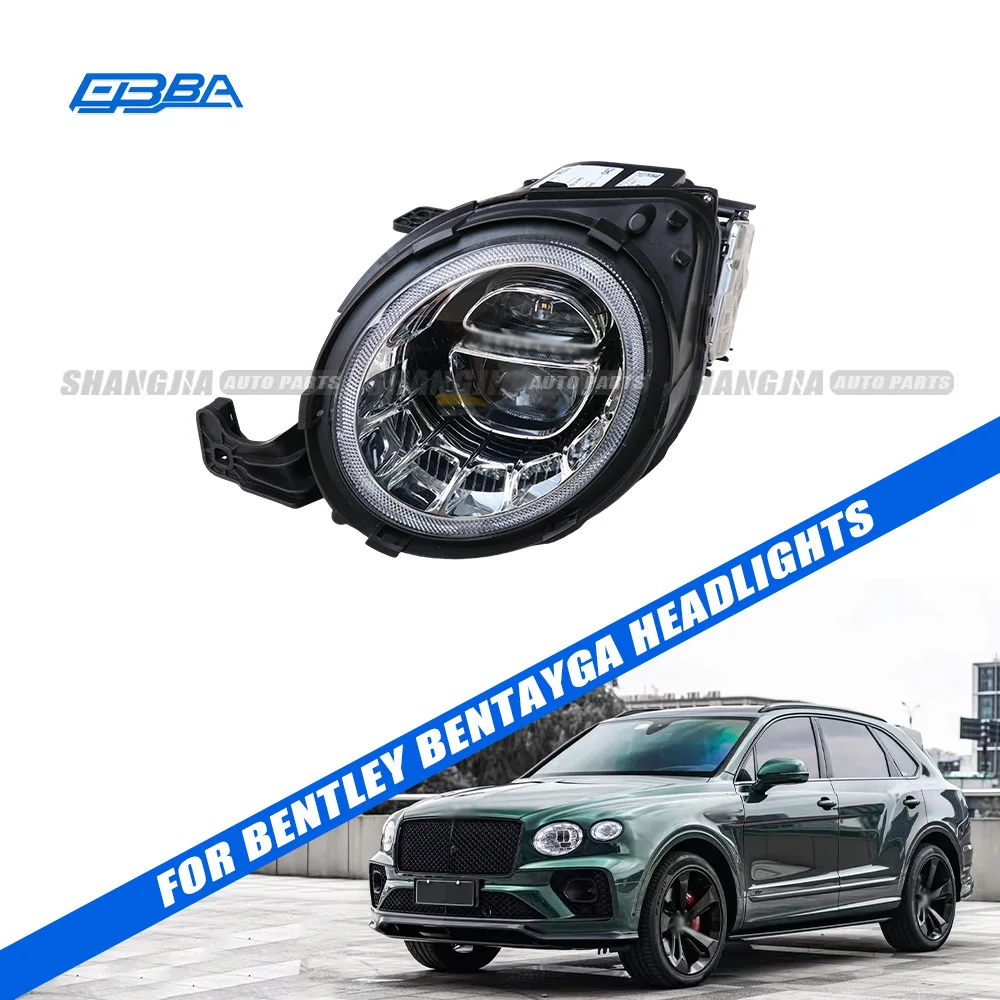
Durable headlights serve as the foundation of fleet safety infrastructure. Whether you operate a small local fleet or manage hundreds of vehicles across multiple regions, the performance characteristics of your durable headlights affect fuel efficiency, driver fatigue, customer satisfaction, and your bottom line. Fleet managers must balance upfront cost with long-term durability, brightness consistency, and energy efficiency when choosing durable headlights for their vehicles.
Durable headlights for fleet vehicles must be constructed from materials that withstand extreme temperature fluctuations, road vibration, moisture exposure, and UV radiation. Premium durable headlights typically feature high-grade polycarbonate lenses reinforced with protective coatings that resist yellowing and clouding over time. The housing materials used in durable headlights should prevent moisture ingress, which is a leading cause of premature failure in fleet applications. Vehicle fleets operating in harsh climates or rough terrain require durable headlights with enhanced protective elements to maintain performance across seasons and driving conditions.
When evaluating durable headlights for your fleet, always verify compliance with SAE (Society of Automotive Engineers) and DOT (Department of Transportation) standards. Durable headlights that meet these certifications have undergone rigorous laboratory testing for photometric performance, durability, and safety compliance. OEM-equivalent durable headlights often provide better longevity than aftermarket alternatives because they are engineered to original specifications. Fleet managers should request documentation proving that their selected durable headlights have passed impact, thermal cycling, and moisture resistance testing. These certifications guarantee that your durable headlights will perform reliably under real-world fleet operating conditions.
Durable headlights must deliver consistent brightness across a wide beam pattern to illuminate roadways effectively while minimizing glare for oncoming traffic. LED-based durable headlights typically offer superior brightness output compared to halogen alternatives while consuming less power and generating less heat. For fleet vehicles, durable headlights should maintain uniform brightness distribution throughout their operational lifespan, ensuring driver visibility never degrades between maintenance intervals. High-quality durable headlights achieve optimal light distribution through precision lens engineering that projects light efficiently without creating dark spots or excessive hotspots that reduce overall visibility effectiveness.
Modern durable headlights designed for fleet use often feature LED technology that reduces power consumption by up to 50% compared to traditional halogen durable headlights. This energy efficiency directly reduces fuel costs across large vehicle fleets, generating substantial savings over multiple years of operation. Durable headlights with lower wattage requirements also reduce electrical system strain, potentially extending the life of alternators and batteries in fleet vehicles. When calculating total cost of ownership for durable headlights, factor in both energy consumption and replacement frequency. LED durable headlights typically last 30,000 to 50,000 hours, compared to 1,000 to 5,000 hours for halogen alternatives, meaning fewer replacements and less downtime for your fleet operations.
Premium durable headlights incorporate heat dissipation design features such as aluminum housings and passive cooling fins that prevent excessive temperature buildup. Uncontrolled heat degrades lens clarity, shortens electrical component lifespan, and accelerates seal degradation in durable headlights. Durable headlights with superior thermal management maintain brightness output longer and resist the yellowing and fogging that commonly affects lower-quality options. Fleet vehicles operate continuously over extended periods, making thermal stability a crucial durability factor. Selecting durable headlights with proven heat management capabilities ensures your fleet maintains safety and visibility performance over thousands of operating hours.
Before committing to durable headlights across your entire fleet, conduct pilot testing on a representative sample of vehicles. Install your selected durable headlights on vehicles operating under diverse conditions—highway driving, city streets, night shifts, rural areas—to evaluate real-world performance. Document brightness consistency, any flickering or dimming patterns, moisture ingress, and overall light quality across different vehicle types and driving scenarios. Durable headlights that perform consistently in pilot testing will likely deliver reliable performance across your fleet. Compare failure rates and maintenance requirements for test durable headlights against your existing inventory to justify fleet-wide implementation.
Establishing standardized durable headlights specifications simplifies fleet maintenance operations and reduces parts inventory complexity. When all vehicles use identical durable headlights models, maintenance technicians become familiar with installation procedures and troubleshooting protocols, reducing service time. Standardized durable headlights specifications also enable bulk purchasing, which typically reduces per-unit costs significantly. Fleet managers should develop maintenance schedules that include regular lens cleaning, alignment verification, and early replacement protocols for underperforming durable headlights. Proactive durable headlights maintenance prevents unexpected failures that disrupt operations and compromise driver safety during critical deliveries or service calls.
Choose suppliers specializing in durable headlights for commercial fleet applications rather than generic automotive retailers. Reputable durable headlights suppliers typically offer extended warranties, bulk discounts, and technical support resources. Verify that your durable headlights supplier maintains consistent quality standards across shipments and can provide technical documentation for every product batch. Establish performance metrics requiring your durable headlights supplier to maintain specific failure rate thresholds and provide prompt replacement for defective units. Fleet-focused durable headlights suppliers understand heavy-duty operating conditions and design products specifically for extended service intervals.
Durable headlights longevity depends on material quality, thermal management design, protective coatings, and seal integrity. Premium durable headlights use high-grade polycarbonate lenses with UV-protective coatings, aluminum housings for heat dissipation, and precision seals preventing moisture ingress. LED-based durable headlights typically outlast halogen alternatives due to lower operating temperatures and inherent design durability. Durable headlights manufactured to OEM specifications generally deliver longer service life than budget aftermarket options. Temperature fluctuations and moisture exposure degrade lower-quality durable headlights faster, making premium options more cost-effective for fleet applications despite higher initial purchase prices.
Fleet managers should inspect durable headlights monthly during regular maintenance routines, checking for lens cloudiness, moisture, cracks, or reduced brightness. LED-based durable headlights typically require replacement every 50,000 operating hours, while halogen durable headlights may fail after 5,000 hours of operation. Establish replacement protocols before brightness output drops below safe levels rather than waiting for complete failure. Durable headlights in vehicles operating primarily at night may require more frequent inspection and replacement than those used occasionally. Regular cleaning and alignment checks extend durable headlights lifespan and maintain optimal visibility performance throughout their operational life.
Yes, LED durable headlights typically deliver superior return on investment for fleet operations through reduced energy consumption, extended replacement intervals, and improved driver safety. While LED-based durable headlights cost 2-3 times more initially than halogen alternatives, they consume 50% less power and last 10 times longer. Over a five-year fleet operating cycle, LED durable headlights generate substantial fuel savings and eliminate frequent replacement labor costs. LED durable headlights provide better brightness quality and visibility, potentially reducing accident rates and insurance costs. For fleet operators managing vehicles over extended years, upgrading to LED durable headlights represents a financially sound and safety-focused investment decision.

 EN
EN