A well-maintained cooling system is one of the most critical contributors to engine longevity and vehicle performance. In 2025, with higher ambient temperatures and more demanding performance standards across both passenger and commercial vehicles, keeping the cooling system operating at peak efficiency is no longer optional — it is a fundamental requirement. Engineers, fleet managers, and performance enthusiasts alike are turning to smarter maintenance strategies and upgraded components to ensure their cooling system handles the heat demands of modern driving conditions.
The cooling system does far more than simply prevent overheating. It maintains the precise thermal balance that allows combustion engines to run efficiently, protects critical seals and gaskets, and supports the performance of auxiliary systems including climate control and transmission cooling. When the cooling system loses efficiency — even marginally — the downstream effects can include increased fuel consumption, accelerated wear, and costly component failures. This article explores the key areas where cooling system efficiency can be maximized in 2025, from fan upgrades to fluid management and proactive diagnostics.
Every cooling system is built around one core principle: moving excess thermal energy away from the engine and releasing it into the surrounding environment. The cooling system achieves this through a combination of liquid coolant circulation, radiator surface area, and airflow generated by the cooling fan. When any one of these elements underperforms, the entire cooling system suffers. In 2025, advances in materials and aerodynamics have refined how each element contributes to overall thermal management efficiency.
Modern vehicles place much greater thermal load on the cooling system than designs from even a decade ago. Turbocharged engines, hybrid powertrains, and high-performance variants all generate significantly more heat per unit of displacement. As a result, the cooling system must be sized and maintained with greater precision to match these elevated thermal demands. Understanding this relationship helps technicians and engineers identify where cooling system bottlenecks are most likely to occur.
Efficiency losses in a cooling system typically originate from degraded coolant, restricted flow paths, or mechanical wear in components such as the water pump and thermostat. Coolant degrades over time, losing its heat transfer capacity and corrosion inhibition properties. A cooling system running on old, diluted, or contaminated fluid operates with reduced thermal conductivity, directly raising engine temperatures under load. Regular coolant analysis and timely replacement intervals are essential disciplines in any cooling system maintenance program.
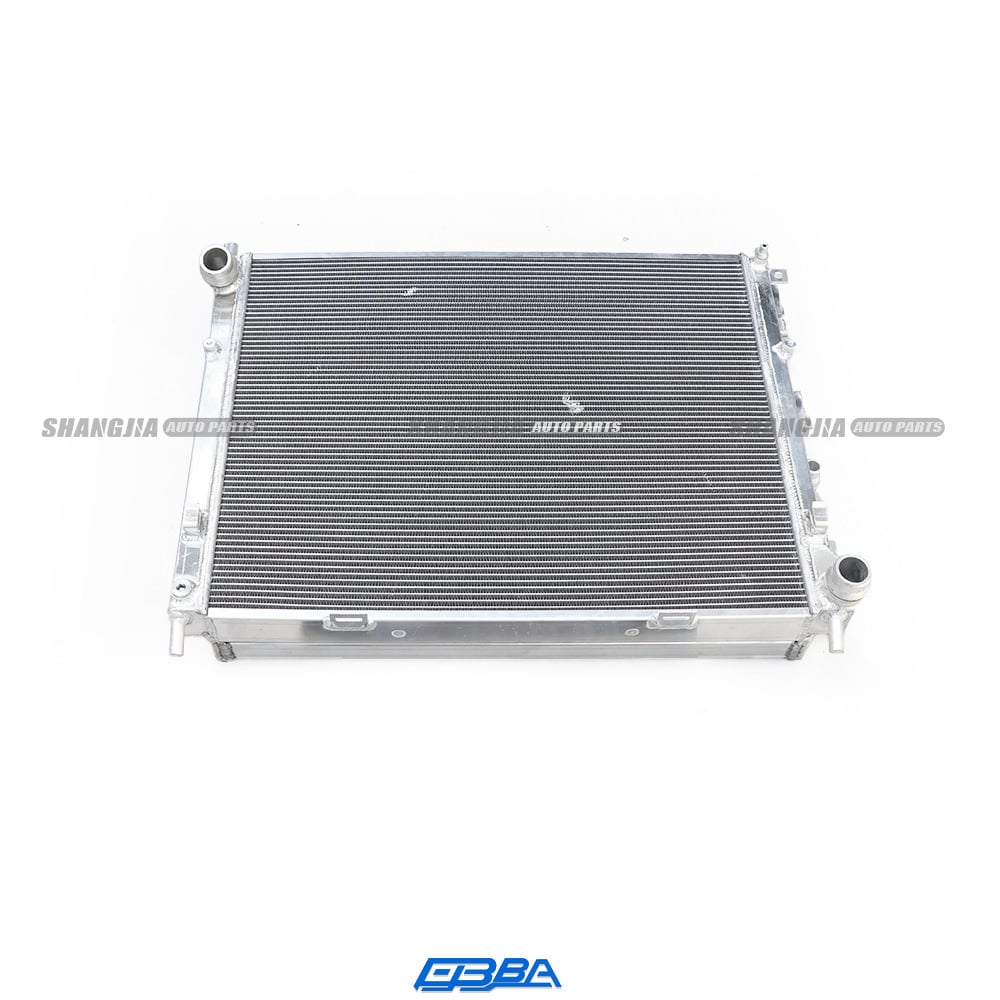
Restricted airflow through the radiator is another silent cooling system efficiency killer. Road debris, bugs, and scale deposits reduce the effective surface area of the radiator, limiting the cooling system ability to dissipate heat into the air. Periodic radiator cleaning and inspection are low-cost interventions that have measurable effects on cooling system output, especially for vehicles operating in dusty or high-debris environments.
The electric fan has become a central component in how the modern cooling system manages airflow across the radiator. Unlike older belt-driven fans that spin continuously regardless of thermal demand, an electric fan responds dynamically to temperature signals, activating only when the cooling system needs additional airflow. This on-demand operation improves fuel efficiency and reduces parasitic load on the engine, making the electric fan a key upgrade point for cooling system optimization in 2025.
For high-performance vehicles, the electric fan selection within the cooling system is even more critical. A fan assembly that delivers insufficient static pressure at low vehicle speeds will leave the cooling system unable to meet heat rejection requirements during traffic or low-speed track conditions. Selecting an electric fan matched to the specific airflow and static pressure requirements of the cooling system ensures the thermal envelope remains controlled under all operating conditions.
Plastic electric fans have become the preferred choice for many cooling system applications due to their favorable strength-to-weight ratio and corrosion resistance. In performance applications such as those seen in the Ferrari 458 platform, the cooling system benefits from a plastic electric fan that provides high airflow while minimizing rotational inertia. A lightweight fan blade assembly responds faster to cooling system temperature demands and consumes less electrical energy during operation, contributing to both efficiency and reliability.
The cooling system also benefits from improved blade geometry found in modern plastic electric fans. Optimized pitch angles and blade count configurations allow the cooling system to move more air per watt of electrical input, directly improving the heat dissipation rate at the radiator. When replacing a cooling system fan, selecting a component engineered for the specific vehicle platform ensures the cooling system performs at its designed specification rather than at a compromised level.
Maximizing cooling system efficiency in 2025 requires a shift from reactive repair to proactive maintenance. The cooling system should be inspected at every major service interval, covering coolant concentration, hose condition, radiator cap sealing integrity, and water pump output pressure. Maintaining the correct coolant-to-distilled-water ratio keeps the cooling system operating within its designed thermal range, especially important in markets experiencing extreme seasonal temperature swings.
Using coolant specifically formulated for the vehicle platform is equally important. Modern cooling system designs often require organic acid technology coolants that are incompatible with older silicate-based formulations. Mixing incompatible coolants degrades the cooling system inhibitor package, accelerating internal corrosion and reducing heat transfer efficiency. Fleet operators and individual owners should always verify coolant compatibility before adding or replacing fluid in the cooling system.
In 2025, digital diagnostics have elevated cooling system monitoring to a new level of precision. OBD-based thermal monitoring tools can track cooling system outlet temperatures, fan activation cycles, and thermostat response times in real time. Identifying irregular cooling system behavior early — such as a thermostat that opens late or a fan that activates too frequently — allows preventive intervention before minor inefficiencies escalate into full component failures.
Infrared thermal imaging is also emerging as a practical tool for cooling system inspection in professional workshops. By imaging the radiator surface, technicians can identify blocked cooling passages and uneven flow distribution that are invisible during conventional visual inspection. These predictive cooling system diagnostic approaches reduce unplanned downtime and extend the service life of every component within the cooling system.
Most manufacturers recommend flushing the cooling system every two to five years depending on the coolant type and vehicle usage. High-performance applications or vehicles operating under severe thermal stress may require more frequent cooling system fluid changes. Always refer to the manufacturer specification for the correct interval and coolant formulation.
Common indicators of a failing cooling system fan include engine overheating at idle or low speeds, the fan not activating when the engine reaches normal operating temperature, unusual noise from the fan motor, and visible cracks or damage to the fan blade assembly. Addressing these cooling system fan issues promptly prevents thermal damage to the engine and related components.
Yes. Upgrading to a higher-efficiency electric fan improves the cooling system ability to maintain optimal engine temperatures, which directly supports consistent power output and fuel efficiency. For performance vehicles, a properly matched cooling system fan upgrade allows the engine to sustain higher output levels without thermal throttling, delivering measurable gains in both reliability and driving performance.

 EN
EN