Integrating aston martin vehicles into a corporate fleet is a strategic decision that carries significant operational implications. Unlike conventional executive sedans, an aston martin brings a distinct brand identity, precision engineering, and a level of prestige that can meaningfully elevate a company's image. However, this same exclusivity demands a more disciplined and well-planned approach to fleet management, procurement, and ongoing maintenance.
Every organization considering an aston martin fleet must evaluate its readiness across several dimensions: infrastructure for aston martin servicing, driver training, parts availability, and total cost modeling. This guide walks through the key areas of aston martin fleet integration so that fleet managers and procurement teams can make informed, confident decisions from day one.
Before acquiring an aston martin for fleet use, the organization must define precisely how each aston martin unit will be deployed. Will the aston martin serve as a senior executive vehicle, a client hospitality asset, or a brand showcase at events? The answer shapes procurement volume, configuration preferences, and the service infrastructure your aston martin fleet will require. A misaligned deployment model often leads to underutilization of the aston martin, which is costly given the vehicle's total ownership expense.
Fleet managers should also consider how many aston martin units are truly needed. Overcommitting to a large aston martin fleet without supporting service contracts increases operational risk. A focused, well-supported aston martin deployment of even two or three vehicles typically delivers more measurable value than an oversized aston martin fleet that stretches available resources too thin.
When procuring an aston martin for fleet purposes, standardizing configurations across your aston martin units reduces complexity in maintenance and parts sourcing. Each aston martin variant — whether the aston martin DB11, aston martin Vantage, or aston martin DBX — has distinct component profiles. Choosing a single aston martin model or a narrowly defined set of aston martin variants simplifies technician training, spare parts stocking, and inspection protocols. Fleet procurement teams should work closely with aston martin authorized channels to negotiate fleet terms and ensure the correct aston martin specifications are applied consistently.
One of the most critical success factors in aston martin fleet integration is establishing a dependable service and maintenance network. Each aston martin requires specialized technician expertise, diagnostic tools calibrated for the aston martin platform, and genuine or certified aston martin replacement parts. Fleet managers should map out the nearest aston martin service centers relative to the primary operating zones of the fleet and establish service-level agreements that cover routine aston martin maintenance, emergency repair timelines, and loaner vehicle provisions when an aston martin is off the road.
Planned preventive maintenance is especially important for an aston martin fleet. Neglecting scheduled servicing on an aston martin can lead to accelerated wear on precision-engineered components, voiding manufacturer support and increasing long-term aston martin ownership costs. A structured aston martin maintenance calendar, aligned with the specific mileage and usage patterns of your fleet, helps prevent reactive repairs and extends the operational life of each aston martin unit.
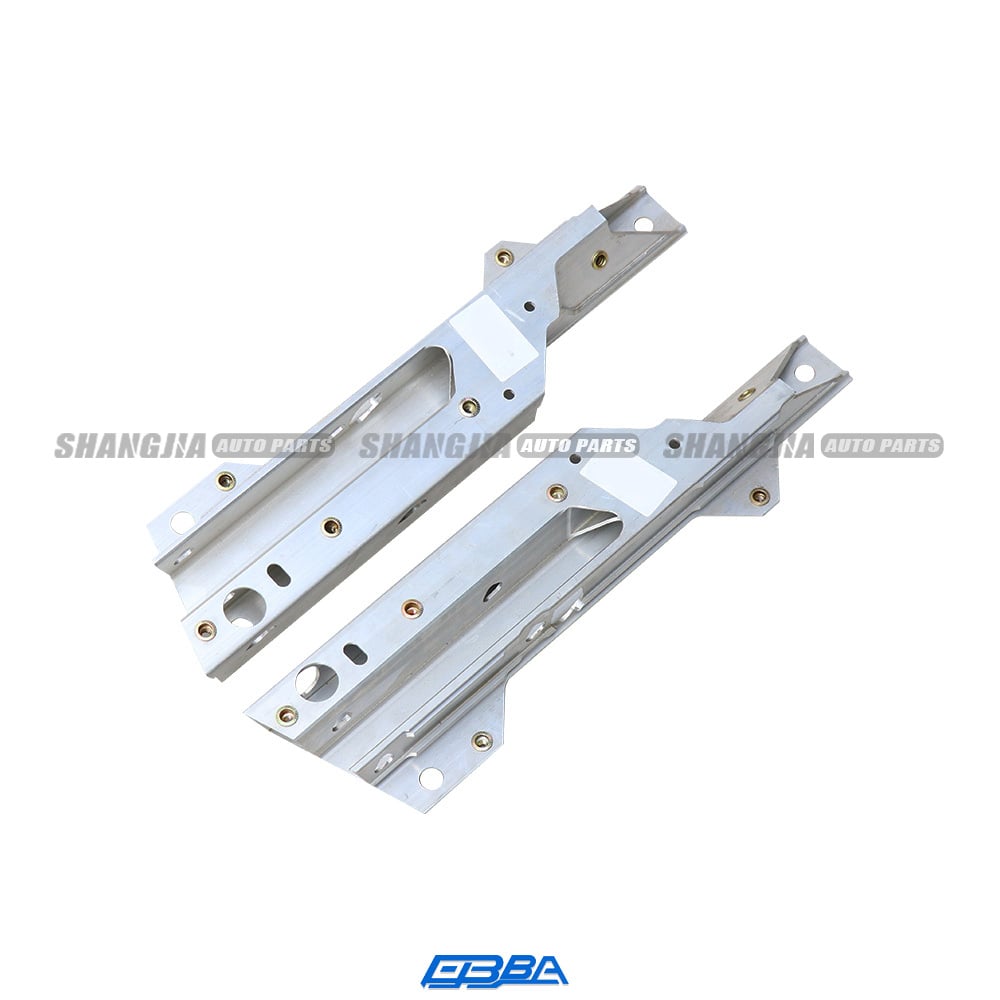
Parts availability is a practical concern that every aston martin fleet operator must address proactively. Key aston martin exterior components such as the front grille assembly, particularly for aston martin DB11 and aston martin Vantage Coupe and Volante variants, are precision-fit parts that require careful sourcing. High-quality replacement grille components for the aston martin are available through verified suppliers and can significantly reduce downtime when an aston martin requires cosmetic or structural repairs after minor incidents. Keeping a small inventory of common aston martin wear parts — grilles, trim pieces, seals, and filters — on hand reduces dependency on extended lead times and keeps each aston martin operationally ready.
Fleet operators should evaluate suppliers based on part compatibility, material quality, and installation ease. For the aston martin DB11 and aston martin Vantage specifically, front grille replacements made from reinforced plastic and aluminium combinations offer a durable and weight-appropriate solution that aligns with the original aston martin engineering standard. Sourcing parts that match the aston martin's original specification reduces the risk of fitment issues and preserves the visual integrity expected of an aston martin in a corporate setting.
Not every driver assigned to a standard corporate fleet is immediately prepared to operate an aston martin. The aston martin platform offers high-performance dynamics that require a driver to understand the vehicle's responsiveness, braking behavior, and powertrain characteristics. Organizations integrating an aston martin into their fleet should establish a structured driver assessment process. Only authorized, trained personnel should operate each aston martin, and refresher briefings on aston martin handling should be provided whenever a new driver is assigned to an aston martin unit.
Driver responsibility policies must also be updated to reflect aston martin-specific considerations. Because an aston martin carries a higher replacement value and repair cost than a typical fleet vehicle, damage liability terms for the aston martin should be clearly outlined in the driver agreement. This protects both the organization and ensures drivers treat each aston martin with the level of care the vehicle demands.
Effective aston martin fleet management requires robust usage tracking. Fleet telematics solutions compatible with the aston martin platform allow managers to monitor mileage, driving behavior, and service intervals across all aston martin units in real time. Compliance reporting for an aston martin fleet should include mileage logs, driver sign-off records for each aston martin trip, and a structured handover protocol when an aston martin is transferred between drivers. This documentation layer supports warranty management, insurance claims, and resale value preservation for every aston martin in the fleet.
Most organizations integrating an aston martin into their fleet for the first time benefit from starting with two to three aston martin units. This scale allows the team to develop aston martin servicing routines, driver protocols, and parts procurement processes before scaling the aston martin fleet further.
The aston martin DBX is often considered the most practical aston martin for fleet integration due to its SUV body style and greater interior flexibility. However, the aston martin DB11 and aston martin Vantage remain strong choices for executive or brand representation roles within an aston martin fleet program.
Many mainstream fleet telematics platforms support the aston martin through OBD-compatible adapters. However, for full aston martin diagnostic visibility, fleet managers should consult with aston martin service partners to identify telematics solutions that provide complete data access for each aston martin unit in the fleet.

 EN
EN