The role of a pressure sensor in modern vehicles has never been more significant than it is in 2025. As automotive engineering advances rapidly, the pressure sensor has become a foundational component embedded across nearly every critical vehicle system. From the engine bay to the brake lines, each pressure sensor collects real-time data that allows onboard computers to make instant, precise adjustments. Without a reliable pressure sensor, modern vehicle performance and safety systems would simply not function as intended.
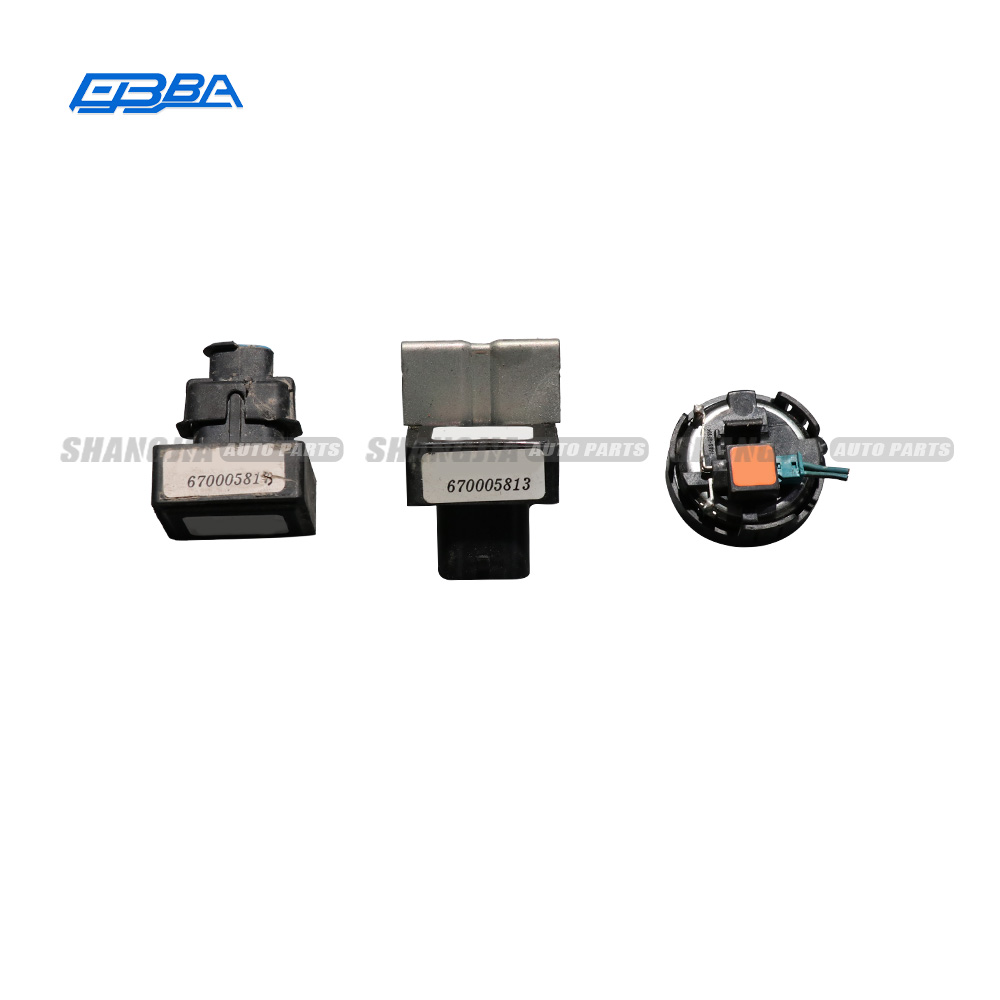
In 2025 vehicles, the pressure sensor is no longer a passive monitor. It is an active contributor to vehicle intelligence. Every pressure sensor feeds data into advanced driver assistance systems, powertrain control modules, and electrified drivetrain controllers. As vehicles grow smarter, the pressure sensor grows more important. Understanding why pressure sensor technology matters this year means understanding how modern vehicles think, react, and protect the driver in real time.
A pressure sensor today is not confined to a single application. In 2025, a typical vehicle may contain dozens of pressure sensor units distributed across its systems. The engine relies on a pressure sensor to monitor oil pressure, fuel rail pressure, and intake manifold pressure. The transmission uses a pressure sensor to manage hydraulic fluid behavior. Even the cabin air system uses a pressure sensor to regulate HVAC performance. This widespread pressure sensor integration means that the health of the entire vehicle depends on accurate, consistent pressure sensor readings at all times.
Each pressure sensor must operate within tight tolerance ranges. A drifting pressure sensor signal can trigger fault codes, reduce fuel economy, or activate limp mode. Engineers designing 2025 vehicles have prioritized pressure sensor accuracy and durability, knowing that a single faulty pressure sensor can cascade into larger system failures. As a result, the pressure sensor has evolved from a simple transducer into a precision instrument designed for high-cycle, high-vibration automotive environments.
Electrified vehicles, including hybrids and full battery-electric models, have introduced new pressure sensor demands. Cooling systems for battery packs rely on a dedicated pressure sensor to detect leaks or blockages before thermal events occur. The brake-by-wire and regenerative braking systems in these vehicles each require a pressure sensor to balance mechanical and electric braking forces in real time. Even hydrogen fuel cell vehicles use a pressure sensor to monitor fuel cell stack pressure and hydrogen delivery with extreme precision. The pressure sensor has therefore become central to the clean mobility transition that defines 2025 vehicle engineering.
Safety regulations in major automotive markets now mandate specific pressure sensor applications in production vehicles. The tire pressure monitoring system, required in many countries, uses a pressure sensor inside each wheel to alert the driver when inflation drops below safe levels. A well-functioning pressure sensor in this context prevents blowouts, improves handling, and reduces tire wear. Regulators recognize that a single pressure sensor per wheel delivers measurable reductions in road accidents caused by underinflated tires.
Brake system health equally depends on pressure sensor performance. Antilock braking and electronic stability programs rely on a pressure sensor within the brake hydraulic circuit to modulate clamping force during hard stops or slippery conditions. If a pressure sensor in this system fails or reads incorrectly, the safety intervention may be delayed or miscalculated. In 2025, as vehicles carry more passengers and travel at higher highway speeds, the pressure sensor within braking circuits carries a direct responsibility for occupant safety.
Emissions regulations in 2025 are stricter than ever before, and the pressure sensor plays a direct role in helping vehicles meet these standards. The exhaust and particulate filter systems in modern diesel and gasoline engines rely on a pressure sensor to measure soot accumulation and trigger regeneration cycles at the right moment. A pressure sensor in the evaporative emissions system detects fuel vapor leaks that would otherwise release harmful hydrocarbons into the atmosphere. Without a properly functioning pressure sensor in these contexts, a vehicle can fail emissions testing and trigger on-board diagnostics warning lights that affect resale value and drivability.
A pressure sensor installed in a 2025 vehicle must endure harsh conditions throughout the vehicle lifecycle. Heat cycling, vibration, corrosive fluids, and wide pressure ranges all stress the pressure sensor beyond what earlier generations required. Manufacturers now specify pressure sensor units that meet automotive-grade standards for temperature resistance, electromagnetic compatibility, and moisture ingress protection. Selecting a substandard pressure sensor during a repair or replacement can introduce early failure modes that compromise system performance and driver safety. The quality of a pressure sensor is therefore a long-term investment in vehicle reliability.
The materials and sensing technologies inside a pressure sensor have also advanced. Piezoresistive, capacitive, and MEMS-based pressure sensor designs each offer different advantages in terms of range, sensitivity, and response time. In 2025 vehicles, the selection of pressure sensor technology is matched carefully to the application, ensuring that each pressure sensor delivers the right combination of accuracy and robustness for its specific location in the vehicle. This engineering precision is what separates a reliable pressure sensor from one that creates service headaches within a few years.
Connected vehicle platforms in 2025 now enable remote monitoring of pressure sensor outputs through telematics systems. Fleet operators and service networks can track pressure sensor trends over time, identifying gradual drift or intermittent faults before they cause a breakdown. This predictive maintenance approach saves cost and reduces unplanned downtime. A pressure sensor that communicates its own health status becomes an asset rather than a liability. As over-the-air software updates allow recalibration of pressure sensor thresholds, the lifespan and accuracy of each pressure sensor can be optimized throughout the vehicle's operational life.
When a pressure sensor fails, the affected system loses its ability to self-regulate. This can trigger warning lights, reduce engine performance, or disable safety features like electronic stability control. A faulty pressure sensor should be diagnosed and replaced promptly to restore full system function and avoid further component damage.
There is no single replacement interval for a pressure sensor, as lifespan depends on location, operating conditions, and component quality. Many pressure sensor units last the life of the vehicle, but those exposed to extreme heat, vibration, or corrosive fluids may degrade sooner. Regular diagnostic scans help identify a pressure sensor showing early signs of drift or failure.
In most markets, a vehicle with a faulty pressure sensor that triggers a stored fault code or activates a dashboard warning light will not pass an emissions or safety inspection. Because a malfunctioning pressure sensor can affect emissions control and braking safety, inspectors treat pressure sensor faults as legitimate failure criteria. Replacing the defective pressure sensor before the inspection is strongly recommended.

 EN
EN