Bumpers are far more than cosmetic additions to the front and rear of vehicles. These critical structural components play a fundamental role in protecting occupants, minimizing damage during collisions, and maintaining overall vehicle performance and safety standards. Understanding why bumpers matter is essential for any vehicle owner, fleet manager, or automotive professional concerned with safety outcomes and long-term vehicle integrity.
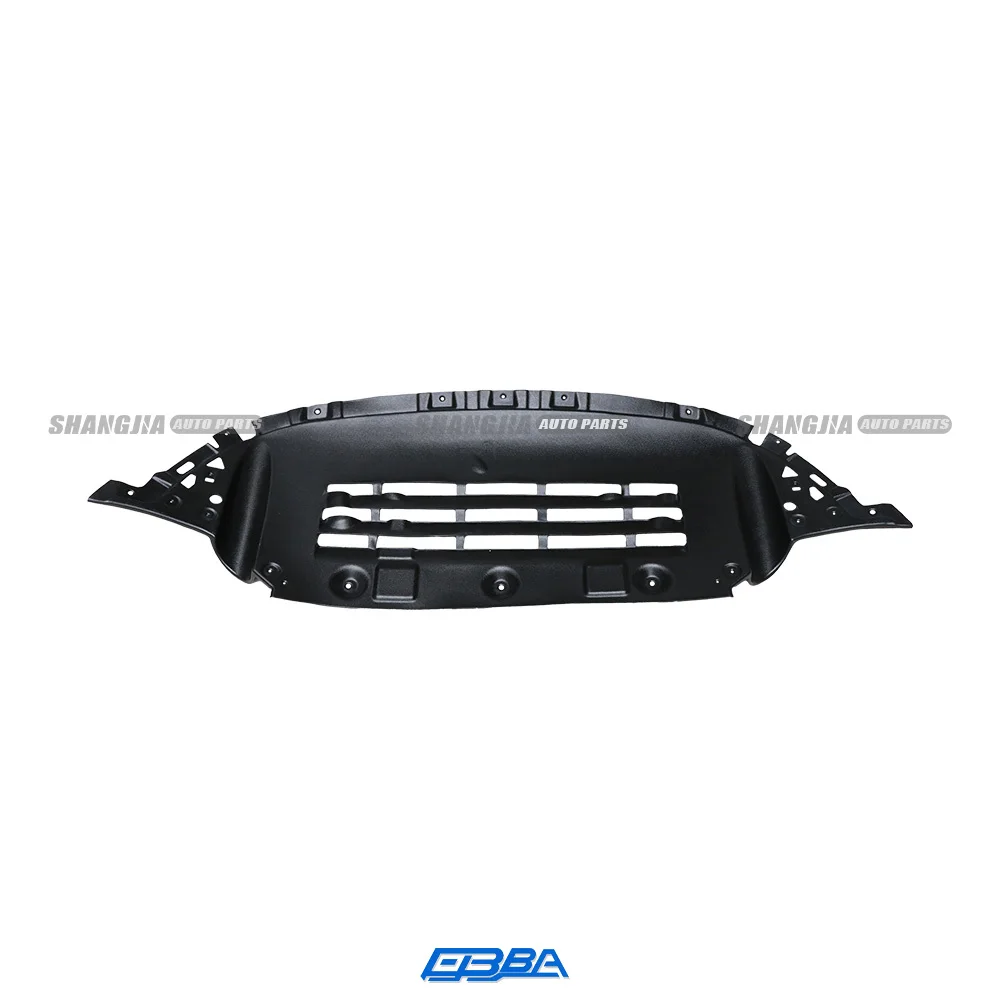
Modern bumpers are engineered systems designed to absorb and distribute impact energy away from passengers and vital vehicle components. The effectiveness of bumpers in collision scenarios directly influences injury rates, vehicle repair costs, and insurance claims patterns across the automotive industry. This article explores the multifaceted importance of bumpers and demonstrates why investing in quality bumpers and proper maintenance delivers measurable safety and performance benefits.
Bumpers are specifically engineered to absorb kinetic energy during low-speed impacts, which account for the majority of vehicle collisions. When properly designed, bumpers reduce the force transmitted to the vehicle frame and passenger cabin by dispersing impact energy across a wider surface area. This absorption mechanism is critical because it prevents damage propagation to the engine compartment, cooling systems, and structural components that could render a vehicle inoperable or unsafe.
The materials used in modern bumpers, including reinforced plastics and foam cores, are selected specifically for their ability to deform predictably while absorbing maximum impact force. Without effective bumpers, even minor parking lot collisions could result in catastrophic damage to transmission systems, radiators, and suspension components. Quality bumpers effectively extend vehicle lifespan by protecting underlying systems from routine impact scenarios.
Bumpers serve as the first line of defense in preventing secondary injuries during collisions. By minimizing initial vehicle deceleration and preventing multi-vehicle chain reactions, bumpers reduce the severity of secondary impacts that could otherwise cause whiplash, head injuries, and internal trauma. The structural integrity of bumpers directly influences whether occupants experience gradual deceleration or sudden jarring that increases injury risk.
When bumpers fail to absorb adequate impact energy, the remaining collision force transfers directly to the frame and cabin structure, increasing passenger exposure to rapid deceleration forces. Properly functioning bumpers maintain vehicle alignment and prevent wheel lockup that could cause secondary loss of control. This protective function makes bumpers essential components in comprehensive occupant safety systems alongside airbags and seat belt mechanisms.
Bumpers protect the vehicle frame from direct impact contact, which would otherwise result in expensive structural damage requiring frame straightening, component replacement, and extensive realignment procedures. Frame damage represents one of the costliest vehicle repairs, often exceeding thousands of dollars and requiring specialized equipment and expertise. By absorbing collision force before it reaches the frame, bumpers reduce repair expenses and maintain vehicle resale value significantly.
Insurance data consistently demonstrates that vehicles equipped with robust, undamaged bumpers experience lower repair costs following collisions compared to vehicles with compromised or missing bumpers. Damaged bumpers should be replaced or repaired immediately rather than postponed, as deteriorated bumpers lose their protective effectiveness and expose underlying frame components to accelerated damage risk. Maintaining bumper integrity is therefore a cost-effective preventive measure that protects long-term vehicle value.
Behind vehicle bumpers sit critical systems including cooling radiators, hydraulic brake lines, electrical connectors, and engine management components that are vulnerable to impact damage. When bumpers absorb collision impact, they prevent damage to these sensitive systems that would otherwise require expensive specialized repairs. Radiator damage, for example, can lead to engine overheating and catastrophic powertrain failure if not immediately repaired.
Environmental contaminants, road salt, and debris also penetrate more easily through gaps created by damaged bumpers, accelerating corrosion of frame components and electrical systems. Well-maintained bumpers create a sealed barrier that protects against moisture infiltration and chemical damage that would otherwise compromise vehicle longevity. This protective function extends the operational lifespan of underlying mechanical and electrical systems significantly.
Automotive regulatory agencies worldwide mandate minimum bumper performance standards that vehicles must meet to achieve safety certification and legal road operation authorization. These standards specify impact absorption requirements, material durability specifications, and damage protection thresholds that bumpers must satisfy during standardized crash testing protocols. Vehicles that fail to meet bumper safety standards cannot be legally sold or operated in regulated jurisdictions.
Bumper design standards reflect decades of crash research and injury data that demonstrate the direct correlation between bumper performance and occupant protection outcomes. Manufacturers invest substantial resources in bumper engineering and testing to ensure compliance with evolving regulations and to exceed minimum safety requirements. Aftermarket bumpers must similarly meet or exceed these safety standards to provide equivalent protection and maintain vehicle safety certification validity.
Insurance carriers evaluate bumper condition and compliance with safety standards when determining coverage eligibility and claim settlement amounts. Vehicles with substandard, damaged, or missing bumpers may face coverage restrictions, higher premiums, or claim denials if bumper failure contributed to collision severity or occupant injury patterns. Proper bumper maintenance is therefore a liability management strategy that protects against insurance complications.
Commercial fleet operators and business entities face additional regulatory scrutiny regarding vehicle safety equipment including bumpers. Poorly maintained bumpers on company vehicles create legal liability exposure if collisions result in property damage or personal injury attributed to inadequate bumper protection. Systematic bumper inspection and maintenance programs help fleet operators maintain compliance with safety regulations and minimize accident-related liability exposure.
When bumpers absorb collision impact effectively, they prevent damage to suspension components, steering linkages, and wheel alignment systems that would otherwise require expensive correction procedures. Misaligned wheels result in uneven tire wear, reduced fuel efficiency, and compromised vehicle handling characteristics that persist long after collision occurrence. Bumpers that function properly prevent these cascading performance degradation patterns.
Repeated minor collisions without adequate bumper protection accumulate damage to suspension geometry and alignment specifications, progressively degrading vehicle handling and safety characteristics. Eventually, accumulated suspension damage creates safety hazards including loss of directional control, increased stopping distance, and uneven braking performance. Maintaining bumper integrity is therefore a preventive strategy that protects suspension and alignment systems from cumulative damage.
Beyond functional protection, bumpers significantly influence vehicle appearance and market value perception among potential buyers. Damaged, cracked, or misaligned bumpers signal poor maintenance practices and create negative impressions that reduce purchase interest and negotiating power during vehicle sales transactions. Well-maintained bumpers communicate vehicle care and contribute substantially to overall aesthetic appeal and resale value.
Fleet managers and commercial vehicle operators recognize that visible damage including bumper deterioration affects customer perception, brand reputation, and professional image projections. Maintaining clean, undamaged bumpers is therefore a business investment that protects corporate image and customer confidence. This aesthetic consideration, combined with functional protection benefits, makes bumper maintenance an economically justified priority for both individual owners and commercial operators.
The primary function of bumpers is to absorb impact energy during collisions and protect the vehicle frame, mechanical systems, and passenger cabin from damage. Bumpers are engineered to deform in controlled ways that dissipate collision force, preventing that force from transferring to critical components and occupants. This protective function directly reduces injury severity, repair costs, and vehicle damage outcomes in collision scenarios.
Bumpers contribute to overall vehicle safety by serving as the first line of defense in collision protection systems. They reduce occupant exposure to rapid deceleration forces, prevent secondary impacts that could cause additional injuries, and maintain vehicle structural integrity during crashes. Combined with other safety systems like airbags and seat belts, bumpers form an integrated protection architecture that minimizes collision consequences and saves lives.
Yes, damaged bumpers should be repaired or replaced promptly because compromised bumpers lose their protective effectiveness and expose underlying systems to damage risk. Repairing or replacing damaged bumpers is a cost-effective investment that prevents more expensive frame damage, protects system components, maintains vehicle resale value, and ensures compliance with safety regulations. Delaying bumper repair increases the likelihood of more severe damage and higher overall repair costs.

 EN
EN