The oil pressure sensor is one of the most critical monitoring components in any internal combustion engine. When this small device begins to fail or sends inaccurate readings, the consequences can range from minor warning lights to catastrophic engine damage. Understanding how a faulty oil pressure sensor affects vehicle performance is essential for fleet managers, technicians, and vehicle owners who depend on engine reliability every day.
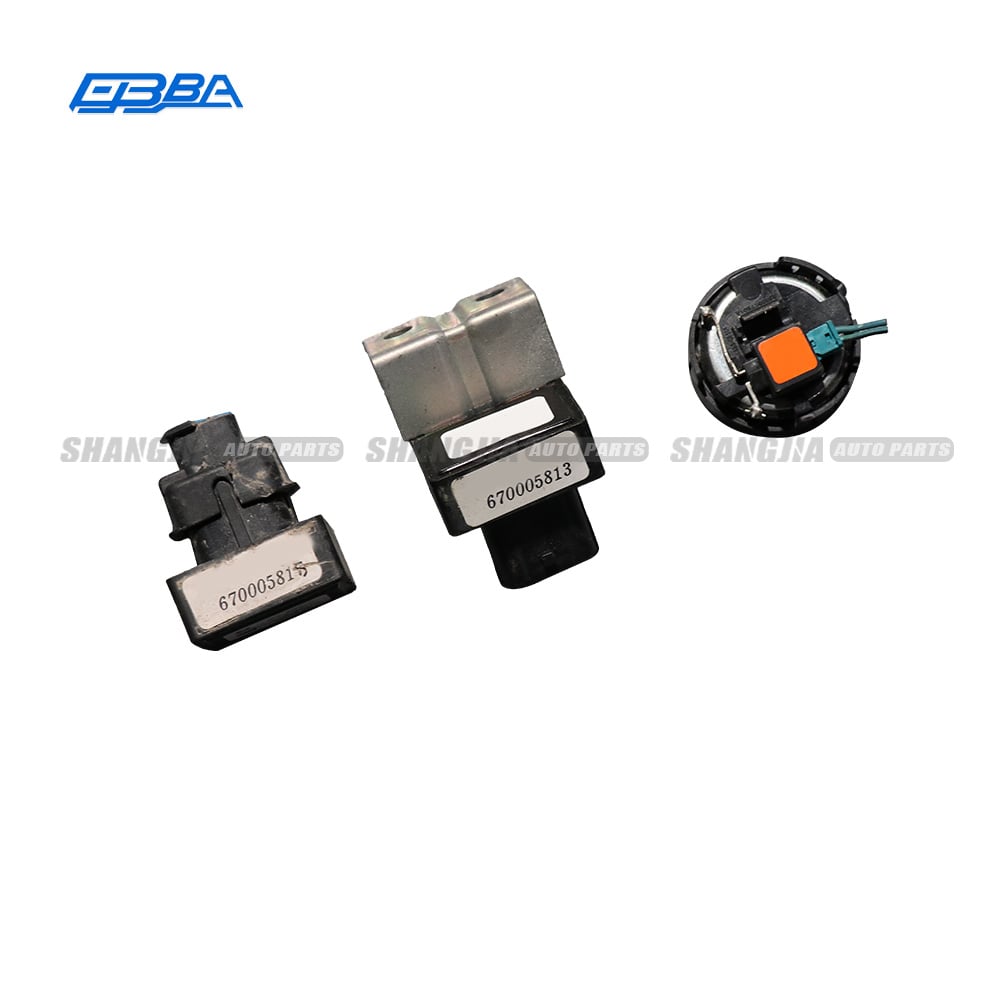
A properly functioning oil pressure sensor continuously monitors the lubrication system and communicates pressure data to the engine control unit and the dashboard gauge. When the oil pressure sensor delivers incorrect data, the engine management system may respond in ways that reduce power, trigger unnecessary shutdowns, or mask genuine lubrication failures. Recognizing the early signs of oil pressure sensor trouble can save significant repair costs and protect the engine long-term.
The oil pressure sensor acts as the primary link between the lubrication system and the engine control unit. Every time the engine runs, the oil pressure sensor reads the hydraulic pressure generated by the oil pump and transmits that signal electronically. The ECU uses this data to make decisions about fuel delivery, timing adjustments, and in some vehicles, active engine protection protocols. A degraded oil pressure sensor that sends voltage fluctuations or false lows can cause the ECU to pull back on performance parameters unnecessarily.
In turbocharged and high-performance engines, the oil pressure sensor plays an even more important role. Turbocharger bearings depend on consistent oil pressure for cooling and lubrication. If the oil pressure sensor reports low pressure when actual pressure is normal, the system may reduce boost or trigger a limp mode that drastically cuts engine output. This is a direct performance impact rooted entirely in a faulty oil pressure sensor signal rather than a true mechanical problem.
When an oil pressure sensor begins to fail, drivers typically notice several performance-related symptoms. The most common is an intermittent or constantly illuminated oil pressure warning light even when the oil level and condition are normal. Another clear signal is erratic gauge behavior, where the oil pressure sensor causes the needle to swing wildly between low and high readings during steady driving conditions. These inconsistencies make it difficult for technicians to trust the gauge during diagnostics.
Some vehicles equipped with engine protection systems will enter a reduced-power mode when the oil pressure sensor reports a critically low value. In this state, throttle response becomes sluggish, acceleration is limited, and the engine may idle roughly. Drivers often mistake this behavior for a fuel or ignition issue when the actual root cause is a malfunctioning oil pressure sensor feeding bad data into the control system.
An oil pressure sensor is exposed to extreme heat cycles, vibration, and contact with engine oil throughout its service life. Over time, the internal diaphragm of the oil pressure sensor can crack or deform, causing the device to misread pressure values. Silicone deposits from degraded engine oil can also coat the sensing element, reducing the accuracy of the oil pressure sensor significantly. These are gradual failure modes that worsen over time rather than causing sudden complete failure.
Wiring harness damage is another leading cause of oil pressure sensor malfunction. The connector and wiring that serve the oil pressure sensor can suffer from heat-related insulation breakdown, corrosion at the terminal pins, or physical abrasion against engine components. When the electrical connection to the oil pressure sensor becomes unstable, the ECU receives intermittent or out-of-range signals that trigger warning conditions even when oil system pressure is perfectly healthy.
An oil pressure sensor that is installed with incorrect torque can develop micro-leaks at the thread interface, causing actual oil pressure to drop locally at the sensor port. This leads the oil pressure sensor to read lower than actual system pressure. Conversely, overtightening can damage the sensor body or the housing threads, resulting in a cracked sensor that reads unpredictably. Proper installation procedures and periodic inspection of the oil pressure sensor are essential maintenance steps.
Using the wrong grade of engine oil or allowing oil change intervals to extend too long also contributes to oil pressure sensor degradation. Thick, sludged oil creates abnormal pressure spikes that stress the oil pressure sensor diaphragm. Conversely, oil that has thinned due to fuel contamination produces lower-than-normal pressure, which the oil pressure sensor may report accurately but which is still problematic for the engine as a whole.
Before replacing an oil pressure sensor, a technician should first verify whether the reported pressure issue is genuine or sensor-related. This involves connecting a mechanical gauge directly to the oil system test port to obtain a baseline pressure reading. If the mechanical gauge shows normal pressure while the oil pressure sensor reports low, the sensor itself is almost certainly the source of the fault. If both readings are low, the problem lies within the lubrication system rather than the oil pressure sensor.
Electrical testing of the oil pressure sensor circuit is equally important. A multimeter can be used to check reference voltage supply and ground continuity at the oil pressure sensor connector. Resistance testing of the oil pressure sensor element at rest and under known pressure helps confirm whether the sensor is within its specified operating range. Skipping these steps and simply replacing the oil pressure sensor without confirming the root cause can lead to repeat failures.
Once diagnostics confirm that the oil pressure sensor is the fault source, replacement should not be delayed. Continuing to operate a vehicle with a failed oil pressure sensor removes the only real-time monitoring safeguard against oil system failure. If actual oil pressure drops dangerously while the oil pressure sensor is already malfunctioning, the driver receives no warning, and engine seizure can occur within minutes. Replacing the oil pressure sensor at the first confirmed sign of failure is a straightforward way to protect the engine investment.
Selecting a replacement oil pressure sensor that matches the OEM specification for pressure range, thread pitch, and connector type is critical. An incorrect oil pressure sensor can send out-of-range signals to the ECU even when functioning correctly, replicating the original symptom. Always verify part compatibility before installation and confirm proper operation with a post-installation functional test to ensure the new oil pressure sensor delivers accurate, stable readings under real operating conditions.
A faulty oil pressure sensor does not directly cause engine damage, but it prevents the driver from detecting actual oil pressure problems. If the oil pressure sensor fails silently while a real lubrication issue develops, there is no warning, and engine damage can occur rapidly. This is why a confirmed faulty oil pressure sensor must be replaced promptly.
The oil pressure sensor should be visually inspected during every major service interval, typically every 30,000 to 50,000 miles or whenever engine oil-related warning lights appear. Wiring and connector condition at the oil pressure sensor should also be checked for corrosion or damage. Early detection of oil pressure sensor wear prevents unexpected failures and diagnostic confusion.
An oil pressure sensor and an oil pressure switch perform similar protective functions but operate differently. An oil pressure switch is a simple on/off device that triggers a warning light when pressure drops below a set threshold. An oil pressure sensor provides a continuous variable signal across a pressure range, giving the ECU and the driver real-time pressure data rather than just a binary alert.

 EN
EN