A Complete Guide to Buying OEM Components
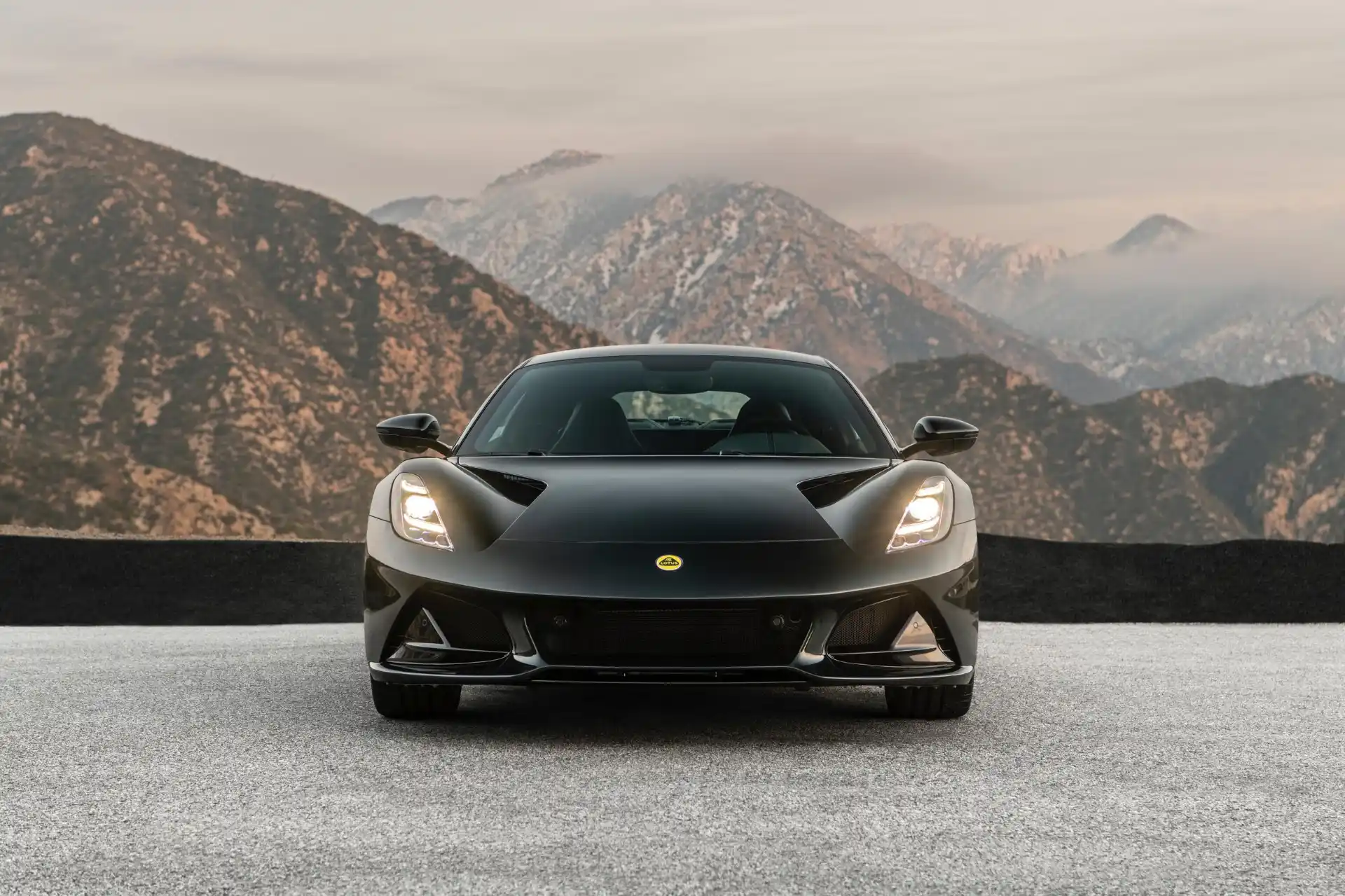
For Lotus owners, finding the right replacement parts can be more difficult compared with mainstream vehicles. Models such as the Lotus Elise, Exige, Evora, and Emira are built in limited numbers, which means original parts are often harder to source and more expensive through traditional channels.
Because of this many owners, restoration specialists, and repair shops choose Lotus OEM used parts as a cost-effective alternative. Genuine used parts removed from original Lotus vehicles can provide factory-level fitment while helping reduce repair costs.
However, the growing demand for used luxury car parts has also created risks. Some sellers may advertise aftermarket components, repaired parts, or incorrect parts as genuine OEM items.
So, how can you identify whether a Lotus used part is authentic?
This guide explains the key factors you should check before purchasing genuine Lotus used parts.
1. Verify the OEM Part Number Before Buying
The most important step when purchasing Lotus replacement parts is checking the OEM part number.
A genuine Lotus component usually includes identification information such as:
● OEM part number
● Manufacturer label
● Production code
● Supplier markings
● Original stickers or tags
The part number helps confirm whether the component matches your specific vehicle.
For example, a Lotus Evora suspension component may look similar to another model’s part, but small differences in design or specification can affect installation and performance.
A professional supplier should be able to provide:
● Clear photos of the part label
● OEM number confirmation
● Compatible models
● Production year information
Never rely only on appearance. Two parts may look identical but have completely different applications.
2. Ask About the Donor Vehicle Information
One major difference between reliable Lotus used parts suppliers and unreliable sellers is whether they can provide donor vehicle information.
Every genuine used part should come from an actual vehicle.
Before purchasing, ask:
? Which Lotus model was this part removed from?
? What year was the donor vehicle?
? What was the mileage?
? Was the vehicle damaged in an accident?
?Was the part removed before dismantling?
For example:
● A Lotus Emira door panel from a different production year may have differences in mounting points or interior specifications.
● A Lotus Evora headlight may also vary depending on model year and regional configuration.
● Knowing the donor vehicle history helps buyers confirm authenticity and compatibility.
3. Check the Physical Condition Carefully
Unlike normal vehicles, many Lotus cars use lightweight materials such as aluminum structures, fiberglass panels, and advanced composite components.
Therefore, checking condition is extremely important.
Exterior Parts Inspection
For parts like:
● Front bumper
● Hood
● Fender
● Door panels
● Mirrors
Look for:
● Uneven paint texture
● Hidden cracks
● Repair marks
● Structural damage
● Modified mounting points
A part may appear perfect in photos but could have previous repairs that affect installation.
Mechanical Parts Inspection
For components such as:
● Suspension arms
● Steering components
● Cooling systems
● Engine-related parts
Check:
● Oil leakage
● Corrosion
● Broken brackets
● Abnormal wear
● Missing accessories
A professional Lotus used parts supplier should provide detailed condition photos before shipment.
4. Understand the Difference Between OEM Used Parts and Aftermarket Parts
Many buyers confuse OEM used parts with aftermarket replacement parts.
Although aftermarket components may look similar, they can differ in:
● Material quality
● Manufacturing accuracy
● Fitment precision
● Long-term reliability
OEM used parts are removed from original Lotus vehicles and maintain factory specifications.
Aftermarket parts are produced by independent manufacturers and may not always match the original design.
When purchasing, always ask:
“Is this a genuine Lotus OEM used part?”
or
“Is this an aftermarket replacement?”
A trustworthy supplier should clearly explain the part condition instead of using unclear descriptions.
5. Be Careful With Repaired or Refurbished Parts
Some used parts may have been repaired and then sold as “perfect condition”.
Common warning signs include:
Fresh Paint or Refinished Surfaces
For body parts, check for:
● Different paint shades
● Overspray
● Uneven surface texture
● Hidden repair areas
● Missing Original Labels
Electronic components and certain mechanical parts usually contain manufacturer information.
Missing labels or removed identification marks may indicate the part has been modified.
Extremely Low Prices
Price is an important factor, but unusually cheap Lotus parts require extra attention.
Very low prices may indicate:
Incorrect model compatibility
Damaged parts
Non-OEM components
Unknown repair history
For rare sports cars, genuine OEM parts usually maintain value because availability is limited.
6. Confirm Testing for Electronic Components
Modern Lotus vehicles contain many electronic systems.
Used electronic parts should be tested before installation.
Examples include:
● Control modules
● Sensors
● Lighting systems
● Electronic components
Before buying, ask whether the supplier provides testing information.
A professional inspection process may include:
● Power testing
● Function testing
● Error checking
● Visual inspection
This reduces the risk of receiving a part that cannot function properly after installation.
7. Use VIN Matching to Avoid Wrong Parts
VIN verification is one of the safest methods when buying Lotus replacement parts.
Different Lotus models and production years may have differences in:
Electrical systems
Interior options
Body design
Mechanical specifications
Providing your VIN allows a supplier to confirm whether the part matches your vehicle.
This is especially important for limited-production vehicles like Lotus, where model updates and specifications can vary between years.
8. Choose a Professional Lotus Used Parts Supplier
A reliable supplier should provide more than just a product.
Before purchasing, look for:
✔ Real product photos
✔ OEM part numbers
✔ Donor vehicle details
✔ Condition inspection
✔ Testing information
✔ VIN compatibility support
✔ Professional packaging and shipping
Avoid suppliers who only provide:
Stock images
No part numbers
No condition details
No vehicle information
Transparency is one of the most important indicators of a trustworthy used parts supplier.
Where to Buy Reliable Lotus OEM Used Parts?
Finding genuine Lotus replacement parts requires experience, accurate information, and proper inspection.
Whether you are repairing a Lotus Elise, Exige, Evora, or Emira, choosing the correct OEM used component can help maintain the original performance, fitment, and quality of the vehicle while reducing repair expenses.
At PPBA, we specialize in supplying genuine OEM used parts for luxury and performance vehicles, including Lotus models.
Our Lotus used parts are sourced from professionally dismantled vehicles and inspected before shipment. We provide detailed product information, OEM number verification, condition photos, and VIN matching support to help customers find the correct replacement solution.
We supply a wide range of Lotus OEM used components, including:
● Body panels
● Exterior parts
● Suspension components
● Interior parts
● Lighting systems
● Mechanical components
Whether you are a Lotus owner, repair workshop, or automotive parts distributor, our team can help you source reliable OEM used parts.
Send us your Lotus model, OEM number, or VIN information, and we will help you find the right part.

 EN
EN