Спрете да обърквате Радиатор и Кондензор : Ръководство, което трябва да знаете за Автомобилни части Професионални
В системите за климатизация на автомобилите кондензаторът и радиаторът са два основни компонента, с които често се объркват. За клиенти като автосервизи, търговци на едро и търговци на автозапчасти ясното разграничаване на техните функции, конструкции и изисквания към качеството може ефективно да намали процентите на връщания, да подобри ефективността на ремонта и да укрепи доверието на клиентите.
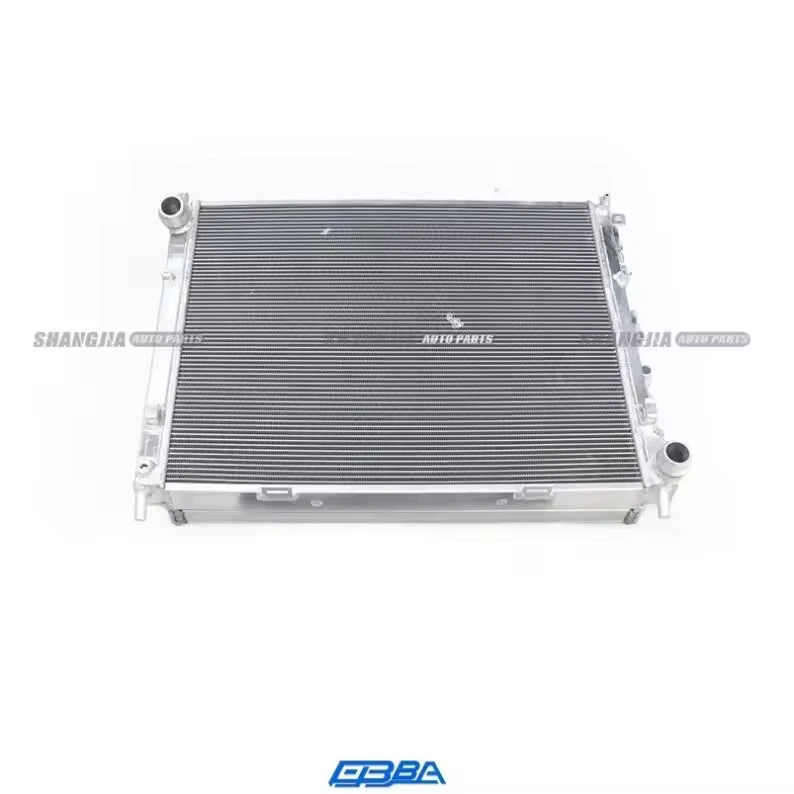
1. Дефиниция и функция на радиатора
Радиаторът, известен още като двигателен радиатор за охлаждане, е основен компонент на системата за охлаждане на двигателя на превозното средство.
Основната му функция е да отвежда топлината от охлаждащата течност на двигателя.
2. Принцип на работа на радиатора
Когато двигателят работи, охлаждащата течност абсорбира високотемпературното топло, генерирано от цилиндровия блок. Тази нагрята охлаждаща течност след това постъпва в радиатора, където плътните охладителни фина, заедно с въздушния поток от електрическия вентилатор, бързо отделят топлината в заобикалящия въздух. Този процес гарантира, че двигателят поддържа постоянно нормална работна температура по всяко време.
3. Значение на висококачествения радиатор
Висококачественият радиатор е критичен компонент за безопасността и надеждната работа на превозното средство. Той ефективно предотвратява прегряването на двигателя, загубата на мощност и сериозни повреди на двигателя.
Напротив, радиатор с лоша топлоотводна способност може да причини деформация на цилиндровата глава, изтичане на охлаждаща течност и дори пълен отказ на двигателя, което рязко увеличава разходите за ремонт за крайните потребители.
1. Дефиниция и функция на кондензатора
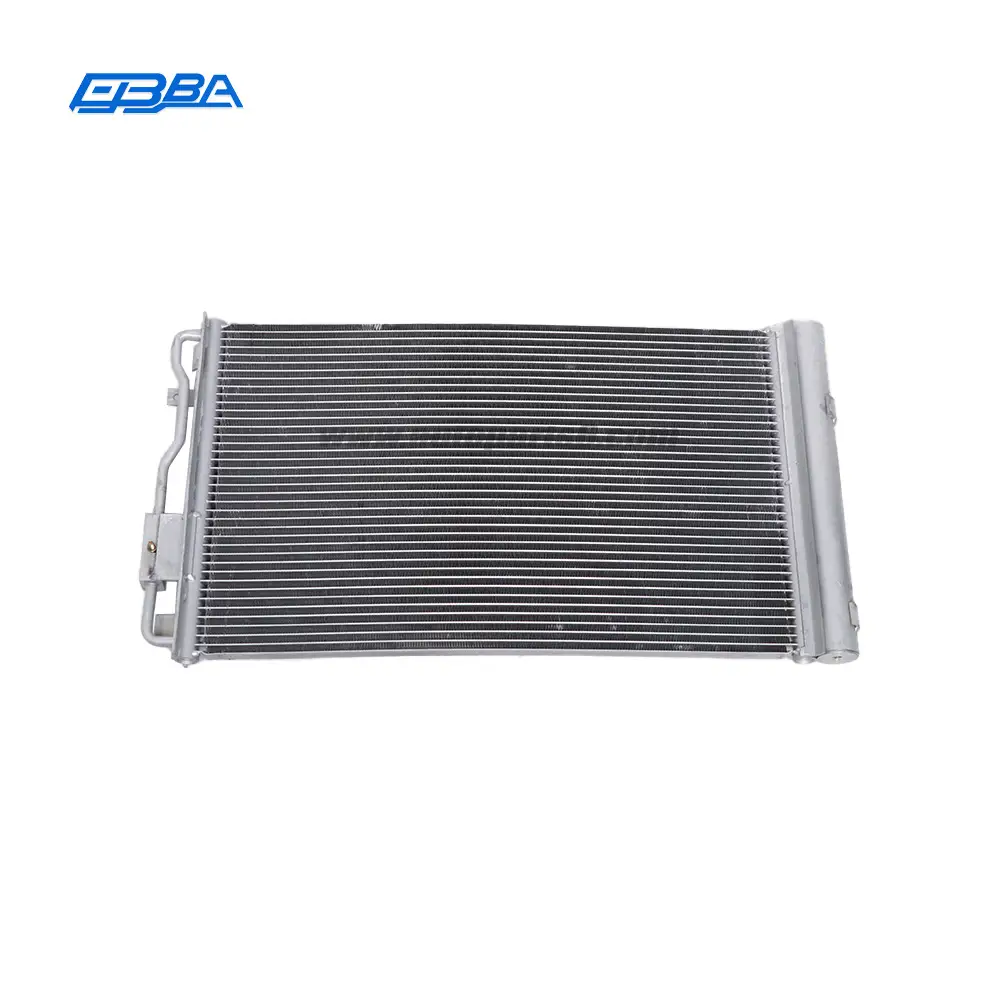
Автомобилният кондензатор е основен компонент на системата за климатизация и охлаждане и принадлежи към напълно различна система от радиатора.
Основната му функция е да отвежда топлината от климатичната система, като по този начин охлажда вътрешността на превозното средство.
2. Принцип на работа на кондензатора
Принципът на работа на кондензатора е подобен на този на радиатора, но средата, с която работи, е напълно различна:
Климатичният компресор подава високотемпературен, високонатисков газообразен хладилен агент към кондензатора; кондензаторът охлажда газообразния хладилен агент чрез отвеждане на топлината и го превръща в високонатисков течен хладилен агент. Този процес е ключов етап в рефрижерационния цикъл на климатичната система и в крайна сметка осигурява охлаждане вътре в превозното средство.
3. Основни разлики между кондензатора и радиатора
Въпреки че външният вид и конструкцията на кондензаторите приличат на тези на радиатора, кондензаторът не влизат в контакт с охлаждащата течност на двигателя и не е отговорен за регулирането на температурата на двигателя.
Неизправностите на кондензатора могат директно да доведат до тези проблеми, като например слаба производителност на климатичната инсталация, увеличено горивно потребление и дори повреда на компресора на климатичната инсталация, което силно влияе върху усещането при шофиране
Причини за объркване относно местоположението на монтажа и външния вид
Що се отнася до местоположението на монтажа, както радиаторът, така и кондензаторът са разположени зад предната броня и обикновено са поставени един върху друг; това е основната причина, поради която външният им вид се обърква толкова лесно.
Фундаментални различия :
Въпреки че изглеждат подобни, техните вътрешни конструкции и работните течности са напълно различни.
Радиатор: Циркулира охлаждаща течност (антифриз) и обслужва системата за охлаждане на двигателя.
Кондензатор: Използва хладилни агенти за климатични инсталации, като R134a и R1234yf, и обслужва климатичната система.
Различия в неизправностите и повредите:
Радиатор: Често се наблюдава запушване на тръбите поради дългогодишна употреба и образуване на накип, което води до отказ на охлаждането.
Кондензатор: По-податлив на удари от пътни отпадъци или външни ожулвания, което води до повреди по тръбите и течове на хладилен агент, които пряко влияят на работата на климатика.
Изберете подходящия радиатор и кондензатор: намалете проблемите след продажбата и подобрете ефективността на ремонта
За търговски клиенти, изборът на радиатори и кондензатори с последователна производителност може ефективно да подобри ефективността на ремонта в автосервизите и да намали проблемите след продажбата. Нашите продукти са с високопрочни алуминиеви фина, прецизно заваряване и превъзходна корозионна устойчивост, което гарантира дълъг срок на експлоатация дори при тежки работни условия. Като професионален доставчик на автомобилни части, ние предлагаме комплексни решения за съвместимост — включително точни номера на заместващи части и данни за кръстосана справка, както и продукти, отговарящи на спецификациите на производителя на оригиналното оборудване (OEM), осигурявайки на клиентите едноцелево набавяне и техническа поддръжка.
Изберете качествени охладителни компоненти, за да повишите конкурентоспособността и лоялността
В реалните сценарии за ремонт и набавка точно разграничаването между двете не само предотвратява грешки при изпращане и неправилни монтажи, но също така ни позволява да предоставяме на крайните клиенти по-професионален съвет и обслужване.
Като ни изберете за ваш надежден партньор за икономични и високосъвместими компоненти за охлаждане и климатизация, вие директно ще подобрите конкурентоспособността на вашата компания и процентите на задържане на клиенти, осигурявайки стабилен конкурентен предимство на силно конкурентния пазар на автомобилни части.
Запитайте и поръчайте още днес: Не се колебайте да се свържете с нас по всяко време за точни цитати според модела, пълни списъци със съвместимост и пробни образци.

 EN
EN